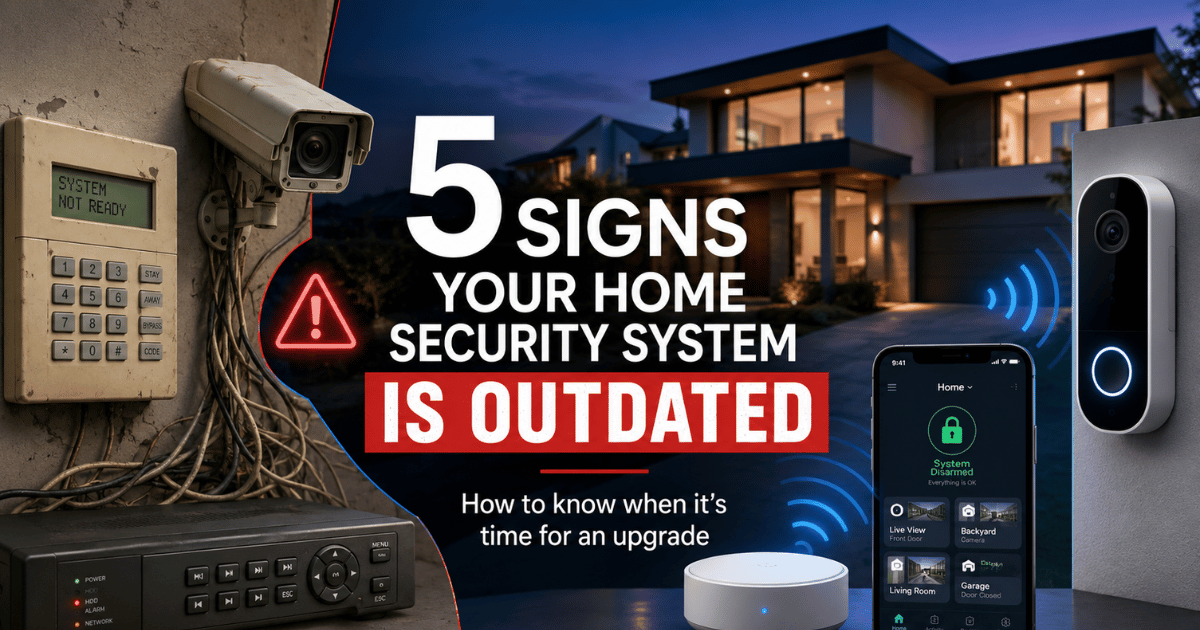
Home security has changed more in the last five years than in the previous twenty-five. If your system was installed before smartphones became your remote control for everything, there’s a good chance it’s no longer protecting your home the way it should. Burglars have evolved, technology has leapt forward, and what counted as “state of the art” ten years ago is now a liability.
At Berman Home Systems, we see it every week: homeowners who assume their alarm is doing its job, only to discover it has gaping holes. Here are five signs it’s time to take a hard look at your setup.
1. It Still Relies on a Landline
If your alarm system still sends its signals to the monitoring center over a phone line, whether that’s a traditional copper landline or a home phone service that runs through your internet box, you have a serious problem. Phone-line systems are slow to report and easy to defeat (cutting an exterior phone line takes seconds). Phone companies are also steadily retiring their old copper lines, so the connection your panel depends on may not be there much longer.
Older cellular systems can be just as exposed. Alarm panels with 3G radios stopped reaching their monitoring centers when the major US carriers shut down their 3G networks in 2022, and a panel that can’t reach anyone looks exactly the same on the wall as one that can.
Modern systems use LTE cellular communication with Wi-Fi or broadband as a second path, often called dual-path. If the power goes out, a backup battery keeps the panel running and the cellular connection still alerts the monitoring station. If your panel still has a phone cord running to a wall jack, or nobody can tell you what kind of cellular radio is inside it, that’s sign number one that it’s out of date.
2. You Can't Control It from Your Phone
A keypad by the front door used to be the only way to arm and disarm a system. Today, that’s an inconvenience at best and a vulnerability at worst. If you can’t check your system status, get real-time alerts, view cameras, or arm the alarm from anywhere, you’re missing the single biggest security upgrade of the last decade.
A modern app should let you:
- Arm and disarm remotely
- Receive instant alerts when sensors trip
- View live and recorded video surveillance
- Grant temporary access codes to guests, contractors, or dog walkers
- See a full event history
If your system doesn’t do this, or your “app” is a clunky portal that barely works, it’s overdue for a refresh.
3. Your Cameras Are Grainy, Slow, or Nonexistent
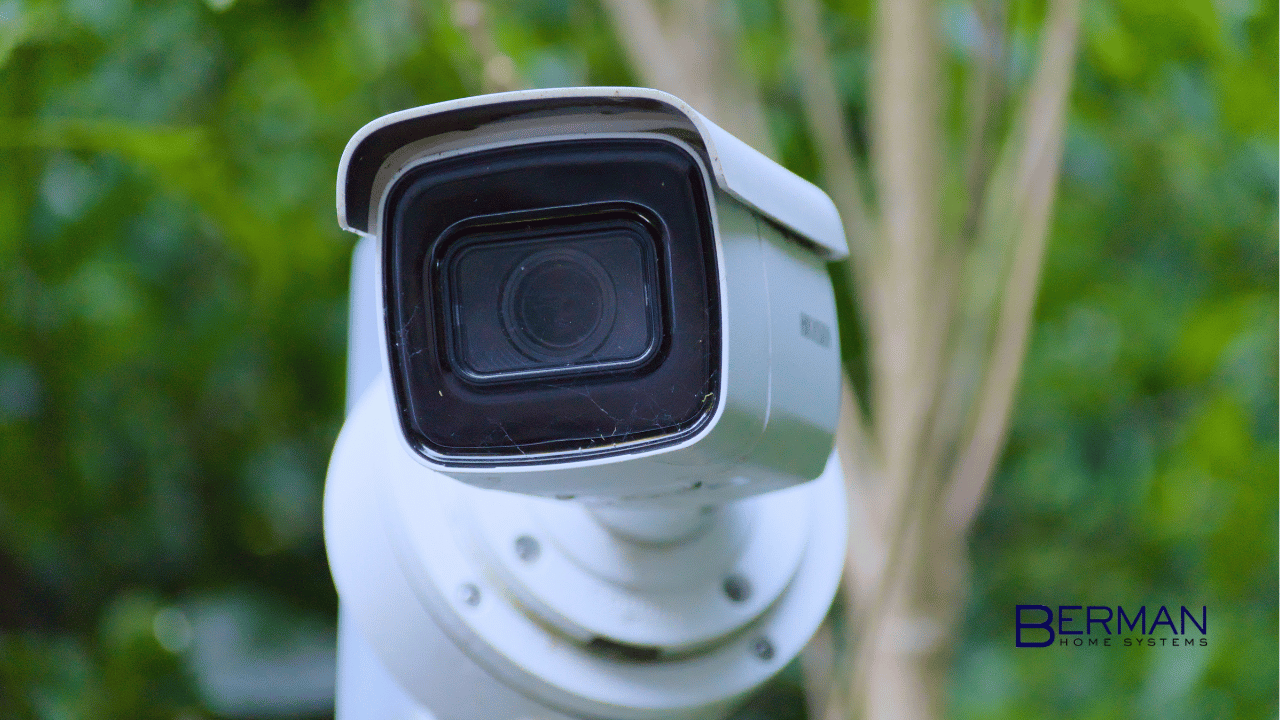
Video has become the most valuable layer of home security. Today’s cameras shoot in 2K or 4K, recognize people versus packages versus animals, work in near-total darkness, and store footage in the cloud so it can’t be stolen with the DVR.
If your cameras produce blurry footage that can’t identify a face at ten feet, only record to a hard drive sitting in a closet, or aren’t there at all, you’re missing the deterrent and the evidence. Burglars often size up a home before trying it, and visible, high-quality cameras make it less likely you’ll be targeted.
4. It Doesn't Talk to the Rest of Your Home
A security system used to be an island. Today it’s the hub. Modern systems integrate with smart locks, garage doors, lighting, thermostats, water leak sensors, and voice assistants like Alexa and Google Home. Newer devices built on the Matter smart-home standard also work across brands, so you’re not locked into one ecosystem.
Why this matters: Integration is where security becomes prevention. Lights that turn on when motion is detected. A garage door that auto-closes at 11 p.m. if you forget. A thermostat that drops when you leave the house. Water sensors that shut off the main valve before a burst pipe floods the basement. If your alarm only sounds a siren, it’s doing one job out of twenty it could be doing.
5. The Equipment Is More Than 10 Years Old
Security hardware doesn’t age well. Sensors degrade, batteries deteriorate, and older wireless protocols become outdated. Over time, control panels stop receiving firmware updates and security patches, leaving them exposed in the same way outdated routers are.
A few clear red flags:
- Sensors that frequently trigger false alarms or fail to activate
- Keypads with sticky or unresponsive buttons
- A control panel showing trouble codes you’ve learned to ignore
- “Low battery” warnings that have become background noise
- A monitoring company that’s been acquired multiple times since you signed up
If any of these sound familiar, your system isn’t aging gracefully; it’s failing in slow motion.
What an Upgrade Actually Looks Like
Replacing an outdated system isn’t the all-day, walls-torn-open project it used to be. Most modern systems are wireless, which means installation typically takes a few hours, not a few days. The new panel, sensors, cameras, and app are all designed to work together out of the box, and a good installer will tune the system to your specific layout and routines.
If you’re seeing two or more of the signs above, it’s worth a conversation. Berman Home Systems offers free in-home security assessments. We’ll walk your property, evaluate what you have, and tell you honestly whether you need a full replacement or just a few targeted upgrades.
Schedule your free assessment →
Berman Home Systems has been protecting homes and families for 40+ years with custom-designed security, smart home, and audio-video solutions. Licensed, insured, and locally owned.